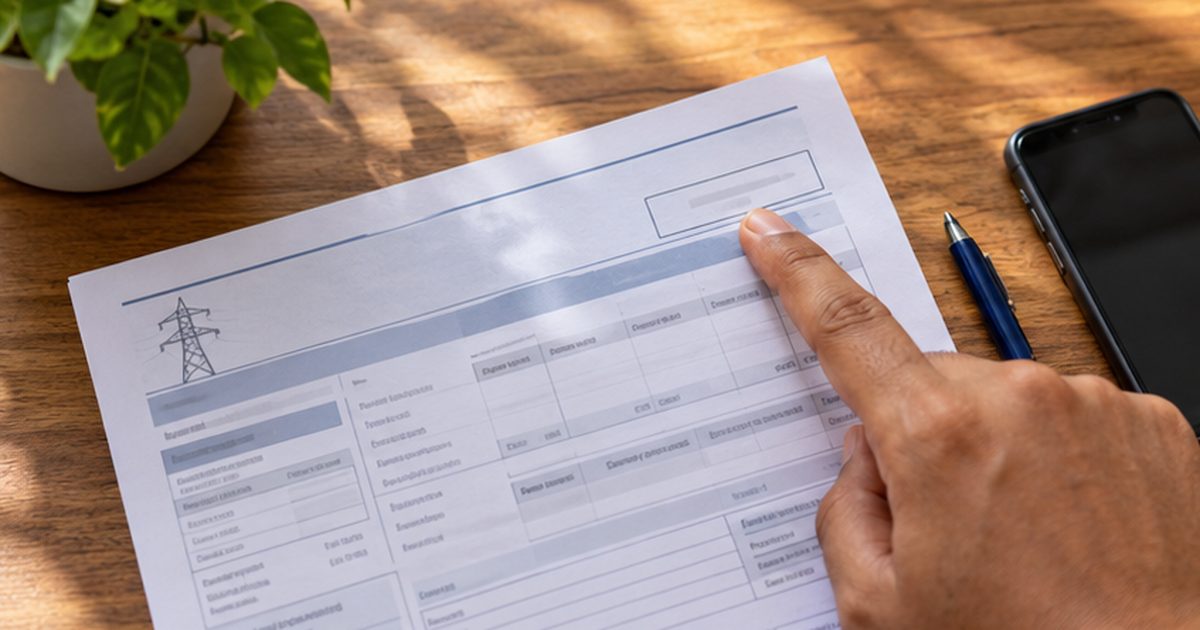
If you are wondering what is consumer number in electricity bill, it is the unique identifier your electricity distribution company assigns to your service account or connection. The company uses it to locate your bill, payment history, service address, and requests. The exact name, length, and format of the number depend on the provider.
Finding the right number is important when you pay online or report a billing problem. A meter number, transaction reference, and bill number may look similar, but they do different jobs. This guide explains the distinctions and how to use your account identifier safely.
What Is Consumer Number in Electricity Bill?
An electricity consumer number links a customer account to the provider’s billing system. It may be printed as Consumer No., Consumer ID, Account No., CA No., Service Connection No., or another utility-specific label. Those names are not automatically interchangeable across companies; use the field requested by your own biller.
For example, the UPPCL official payment page asks for an account number or, in the relevant search flow, a registered mobile number. By contrast, the Uttarakhand UPCL bill page asks for a service connection or account number. Always copy the identifier from your own utility’s bill rather than another state’s sample.
Where is the consumer number printed?
Most paper and PDF electricity bills display the account identifier in an upper information box alongside the consumer name, address, tariff category, and billing period. On some bills it appears near a barcode or payment reference. There is no single nationwide layout.
- Find your latest paper bill or download it from the official DISCOM website.
- Read the top section before looking at the charge table.
- Look for Consumer No., Account Number, CA No., or Service Connection ID.
- Copy the value exactly, keeping leading zeroes where printed.
- Compare the account name and service address before using it for any payment.
Do not guess a missing digit. An account can be rejected by the website, or an incorrectly entered but valid number could lead to a different connection. Pause whenever the displayed consumer details do not match your home or business.
Consumer number versus meter number
The consumer number identifies an account in the company’s billing records. The meter number identifies the physical electricity meter installed at the property. A meter can be replaced after a fault, upgrade, or smart-meter rollout while the customer’s account continues under the same service record, subject to the provider’s process.
Check both entries when investigating a reading dispute. If a newly installed meter appears on a bill, ask for its installation report and opening reading. Do not assume the serial number stamped on the meter is the consumer number required by a payment application.
Consumer number versus bill number
A bill number identifies a particular invoice or billing document. The consumer number identifies the service account to which that invoice belongs. One consumer account can receive many bills over the years, each with a different invoice reference.
When paying an electricity bill, an app usually asks for the account or customer identifier. When raising a complaint about one specific statement, the company may also request its bill number, issue date, and billing period. Keep both available so the representative can locate the correct record.
Consumer number versus payment transaction ID
After a successful payment, you may receive a bank reference, UPI transaction ID, receipt number, or payment confirmation code. That value helps trace the transfer of funds. It does not replace the electricity account’s identifier.
If your payment has not been credited, tell the provider the consumer number first, then supply the amount, date, payment mode, and transaction reference through its official complaint channel. This connects the disputed transaction to the right billing ledger.
How to find the number without a paper bill
Start with a previously downloaded PDF or verified billing email. The electricity company may also show the account number inside its official mobile app after you sign in. A past payment receipt often includes a masked or full consumer identifier depending on the service.
If you cannot access any old record, visit the official service office or contact customer care to learn the accepted account-recovery procedure. The company may need your address and identity documents to verify that you are entitled to access account details. Not every DISCOM allows account lookup using only a phone number. If your registered contact number has changed, see how to update your electricity account’s mobile number.
Some utilities issue a new account number when records are migrated, or use a different legacy identifier on older bills. Check official notices and the provider’s consumer portal before trying an old number repeatedly.
How to use the consumer number to check your electricity bill
- Visit your actual DISCOM’s official Bill View or Quick Pay page.
- Select the correct company or district if the form asks.
- Enter the consumer or account number from your bill.
- Complete any captcha, OTP, or account verification.
- Check the consumer name, address, bill date, and payable amount.
- Download the statement before paying if you need a full charge breakdown.
Many official bill portals work directly in a phone browser. Our guide on checking an electricity bill on your phone explains the app and browser routes. If a third-party biller cannot find the account, check the utility’s own website first.
How to use the number on Google Pay
In Google Pay, open Pay bills, search for your electricity provider, and follow the prompt to link a customer account. The application may ask for a customer ID or consumer number, depending on the biller. Match the provider’s name carefully because several distribution companies can operate within the same state.
Google’s bill-payment help page explains that the customer ID can usually be found on the physical bill or electronic bill. Once linked, a supported biller can display available dues. Confirm the matching consumer before authorizing payment.
If the number is rejected, do not keep adding or removing digits randomly. For the payment process, use our Google Pay electricity-bill guide. The biller may require a different account field or be temporarily unavailable on the app. Check its official site instead.
Can you have more than one consumer number?
Yes. A person who has separate electricity services for a home, shop, or another property may have separate customer accounts. Different meters or units in one building may also have their own billing connections.
Keep a simple record showing each consumer number, the matching service address, and provider. This is especially useful if your family manages electricity bills for multiple properties. Never assume one payment covers every connection at an address.
How to check if the consumer number is correct
The safest confirmation is the consumer name and service address shown by your provider’s own system. The tariff category and electricity distribution region can provide additional clues. Do not pay a bill where those details belong to another person or property.
Be careful with social-media posts and third-party websites claiming they can reveal all account details from a number. Your electricity account information can include personal details and payment history, even when the number itself is not a banking credential.
What to do when your consumer number changes
If the provider has migrated accounts to a new system, compare the notification or revised bill against the old service details. Update saved billers in payment apps only after confirming the new identifier directly with the utility. Keep both old and new reference numbers until earlier payments have been reconciled.
If the number shown on the bill is associated with the wrong meter or address, ask for a written correction. Include your bill, service address, and any safe supporting documents. Do not publish a complete bill online to request help.
Protecting your electricity account information
Use only authentic sites and apps, and never disclose an OTP or UPI PIN to anyone who offers to find your bill. Avoid sharing an uncensored bill image because it can contain your address, phone number, and account details.
Save receipts and PDFs in a secure folder and label them by billing month. When you need to report a problem, share only the documents and details requested through the company’s verified support channel.
FAQs About Consumer Number in Electricity Bill
Q. Is the consumer number the same as the meter number?
A. Usually not. The consumer number identifies the billing account, while the meter number identifies the installed meter.
Q. Can I find my consumer number through a mobile number?
A. Some providers support registered-mobile lookup or account recovery; others require a bill or identity verification.
Q. Does the consumer number change every month?
A. Usually the account identifier remains stable, but a provider may change it during system migration or a service transfer.
Q. Can someone pay my bill using my consumer number?
A. Many quick-pay services allow payment when the correct account is entered. Access to additional account details can require verification.
Conclusion
Now you know what is consumer number in electricity bill: it is the key identifier for your electricity account, not simply the meter’s serial number. Find it on an official bill, verify the associated address, and use it carefully when checking or paying dues.
Disclaimer
This article provides general information for India. Consumer identifiers, naming conventions, recovery methods, and account verification differ by DISCOM and may change. Follow your electricity provider’s official instructions.