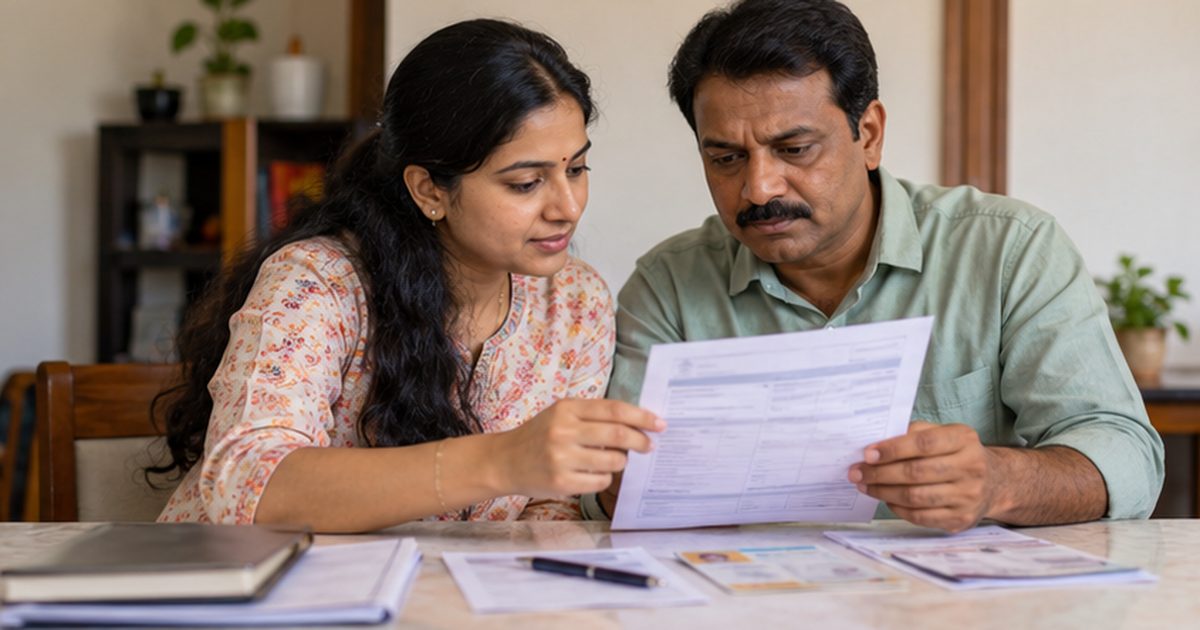
To learn how to change name in electricity bill, contact your electricity distribution company and apply for a name correction or transfer of connection, depending on why the name must change. You will normally need the consumer number, identity proof, and documents showing your right to request the change. Some Indian DISCOMs accept applications online; others require a service-center visit.
A spelling correction is different from transferring a connection to a new owner or legal heir. The required documents, consent, dues clearance, and charges may therefore differ. This guide walks you through the process without assuming that one state’s rules apply everywhere.
How to Change Name in Electricity Bill: Complete Process
Begin by reading the consumer name and account number on your latest bill. If you cannot identify the number, start with our consumer number guide. Then decide whether you need to correct an error in the existing customer’s details or move the electricity account into another person’s name. Choosing the correct request type helps prevent rejected applications.
- Identify the electricity provider and find its official consumer-services portal.
- Choose Name Correction if the registered name is simply misspelled, or Change of Name/Connection Transfer for a new account holder.
- Collect the consumer number, recent bill, government-issued identity proof, and applicable property or occupancy papers.
- Check whether unpaid electricity dues or security-deposit adjustments must be handled before the request can be completed.
- Submit the online form or visit the designated service office, uploading or presenting documents requested by that company.
- Pay only officially stated processing charges, if applicable, and save the acknowledgement or application ID.
- Track approval and confirm that the updated name appears on a newly generated bill.
For example, UPPCL’s name-correction service lists both Name Correction and Connection Transfer under its service-request options. MSEDCL separately lists Change of Name, Correction in Name, and required-document guidance on its consumer services page.
When should you request a name correction?
Use a correction request when the person responsible for the connection has not changed, but the recorded name contains an error. Examples include a missing surname, a typing mistake, or an incorrect spelling compared with your official documents. Some utilities may also require a formal request for a legally changed name.
Provide a recent bill and documents establishing the correct name. Avoid applying for a transfer when you simply need one letter fixed, unless your provider instructs you otherwise. An unnecessary transfer request can add steps and require documents that do not fit your situation.
When is a transfer of electricity connection needed?
A transfer may be needed after buying a property, inheriting a home, or changing the legal holder of an existing electricity service. The account’s name is a billing and service record. It does not, by itself, establish legal ownership of the property.
If you have purchased a flat or house, ask the DISCOM which proof of transfer it accepts. Inheritance, family settlement, company reorganization, and joint ownership can require additional records. The rules may also differ for tenants and landlords.
Do not assume that receiving a bill at your address automatically gives you authority to transfer the service. The company may ask for the current consumer’s consent, ownership evidence, or another authorized basis.
Documents commonly required for a name change
Document checklists vary. Providers may request an application form, recent paid bill, government ID, ownership or occupancy proof, photograph, and proof of the previous consumer’s consent or legal transfer. In some situations, an affidavit, indemnity, succession document, or death certificate may be requested.
Typical ownership or occupancy records include a registered sale deed, property tax record, allotment letter, or tenancy documents where the company’s rules accept them. Do not upload more personal information than the official form requires. Keep scanned copies legible and consistent with the new applicant’s details.
Before submitting, check whether a particular document must be self-attested or whether original papers must be shown for verification. A utility may reject blurred files or names that do not match across records.
Online application procedure
Sign in to the verified consumer portal and select the relevant service request. The form may ask for your consumer ID, existing account holder’s name, proposed name, contact information, and the reason for the change. Attach the required files and check all entries before submitting.
After submission, save the application number and any official payment receipt. Some portals show statuses such as Submitted, Document Verification, Pending Payment, or Approved. The labels and sequence are not standardized across India.
If the form asks for an OTP, use it only in the provider’s actual app or website. Never communicate it to a caller who says they can complete the transfer by remote access.
How to apply offline at the electricity office
Not every connection or applicant type is supported online. Visit the relevant subdivision or customer service center with your bill, original supporting records, and copies as instructed. Ask for the correct application form and a written acknowledgement.
When submitting in person, confirm the application number, expected next action, and how the office will contact you if additional proof is needed. If staff request a fee, ask for the official published schedule and an authorized receipt. Avoid unofficial cash payments.
Will you need to clear old electricity dues?
Outstanding amounts may affect the transfer process, but responsibilities for old dues are governed by applicable rules and the facts of the connection. A property transaction does not automatically answer every billing-liability question. Check the latest official ledger before taking ownership or requesting a transfer.
Ask the provider to explain arrears, unpaid demand notices, security deposits, and credits associated with the account. Keep the transfer agreement and any clearance or no-dues documentation. If an old charge is disputed, ask for a written statement of the amount and legal basis rather than making assumptions.
For a better understanding of the balance, see our explanation of arrears and adjustments.
How much does changing a name cost?
There is no single nationwide fee for an electricity-account name change. A company may charge a processing fee, ask for deposit reconciliation, or require a different service request based on the type of transfer. The current charges should be available through the DISCOM or its regulator.
Ask for the exact fee before paying. Keep charges for a name-change application separate from overdue electricity bills or security deposits. If a third party quotes a large fixed amount without an official notice, verify it directly with the provider.
How long does the process take?
Timing depends on the DISCOM, completeness of documents, existing disputes, and whether a site or record check is needed. There is no universal number of days that applies to all states and all applications. Track your acknowledgement rather than relying on an unofficial estimate.
Once a request is approved, the new name may first appear in the online account and only later on a bill for the next billing period. Download that statement and check the spelling, address, and account number. Raise a correction request if any part is still wrong.
Special cases: tenant, legal heir, and joint property
A tenant should review the rental agreement and ask the provider whether a change in registered consumer, a temporary arrangement, or only contact-detail updates are permitted. The landlord’s consent may be necessary. If the account holder is staying the same and only contact details need updating, see our mobile-number change guide. Do not assume that paying the bill is enough to transfer the account.
After a consumer’s death, an eligible legal heir may need additional legal records to establish authority. For joint property, the company may seek consent from other owners or the documents required by its local supply code. Ask the local office for a written checklist specific to your case.
What if your application is rejected?
Read the reason given by the utility before filing again. Common practical problems include mismatched names, missing attachments, the wrong service type, or unresolved billing details. Correct the specific issue and preserve the original reference number.
If the decision appears incorrect, use the provider’s official complaint route and ask for a review under the applicable supply code. The Electricity (Rights of Consumers) framework is a useful starting point for understanding consumer-service expectations; state-specific rules remain important.
FAQs About How to Change Name in Electricity Bill
Q. Can I change the name without visiting the electricity office?
A. Some DISCOMs allow eligible name corrections or transfers online. Others require in-person verification or original documents.
Q. Is a registered sale deed always enough?
A. Not necessarily. A utility may ask for identity proof, consumer details, dues verification, and other documents under its rules.
Q. Does changing the electricity bill name prove property ownership?
A. No. The bill records the electricity account holder; legal title depends on separate property documents and law.
Q. Can a tenant request a name change?
A. It may be possible where the utility permits it and the required consent and occupancy proof are available.
Conclusion
Understanding how to change name in electricity bill starts with choosing the correct request: correction or transfer. Check your DISCOM’s document list, apply through an official channel, and verify the updated name on the next statement.
Disclaimer
This article gives general educational guidance for India. Document requirements, fees, time limits, account liabilities, and transfer eligibility vary by state, DISCOM, and individual circumstances. For disputes involving ownership or old dues, seek appropriate professional advice.